
Introduction
The rapid advancement of technology is transforming industries, making robotics and artificial intelligence essential skills for the future. Schools and colleges must adapt to prepare students for this evolving landscape.
Why It Matters
Robotics and AI are no longer limited to research labs or tech companies. They are now part of everyday life, from automation to smart systems. Early exposure helps students understand problem-solving, logic, and real-world applications.
Key Benefits
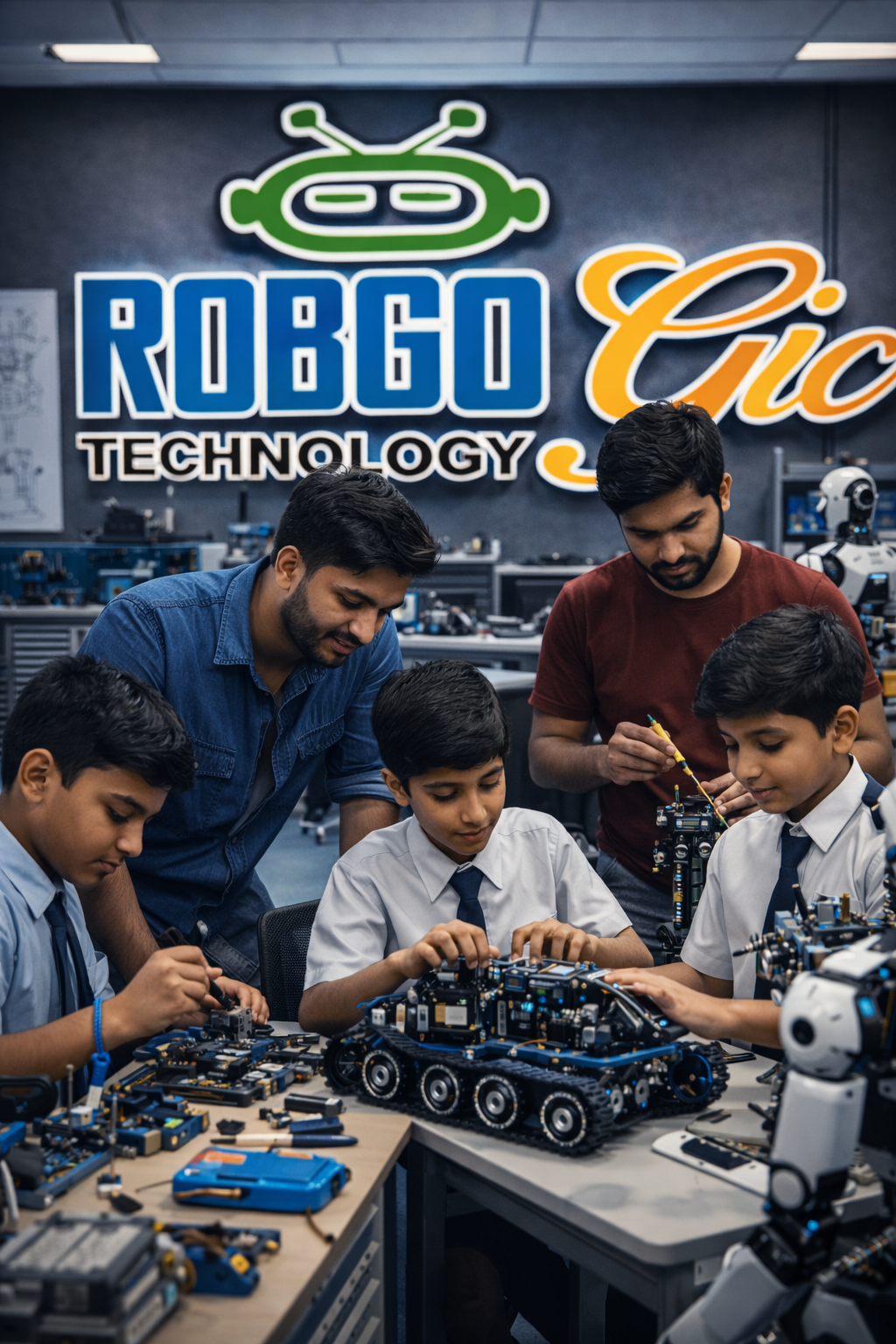
Students develop critical thinking, creativity, and technical skills. Institutions enhance their reputation by offering future-ready education. Hands-on learning through robotics labs bridges the gap between theory and practice.
Role of Lab Setup
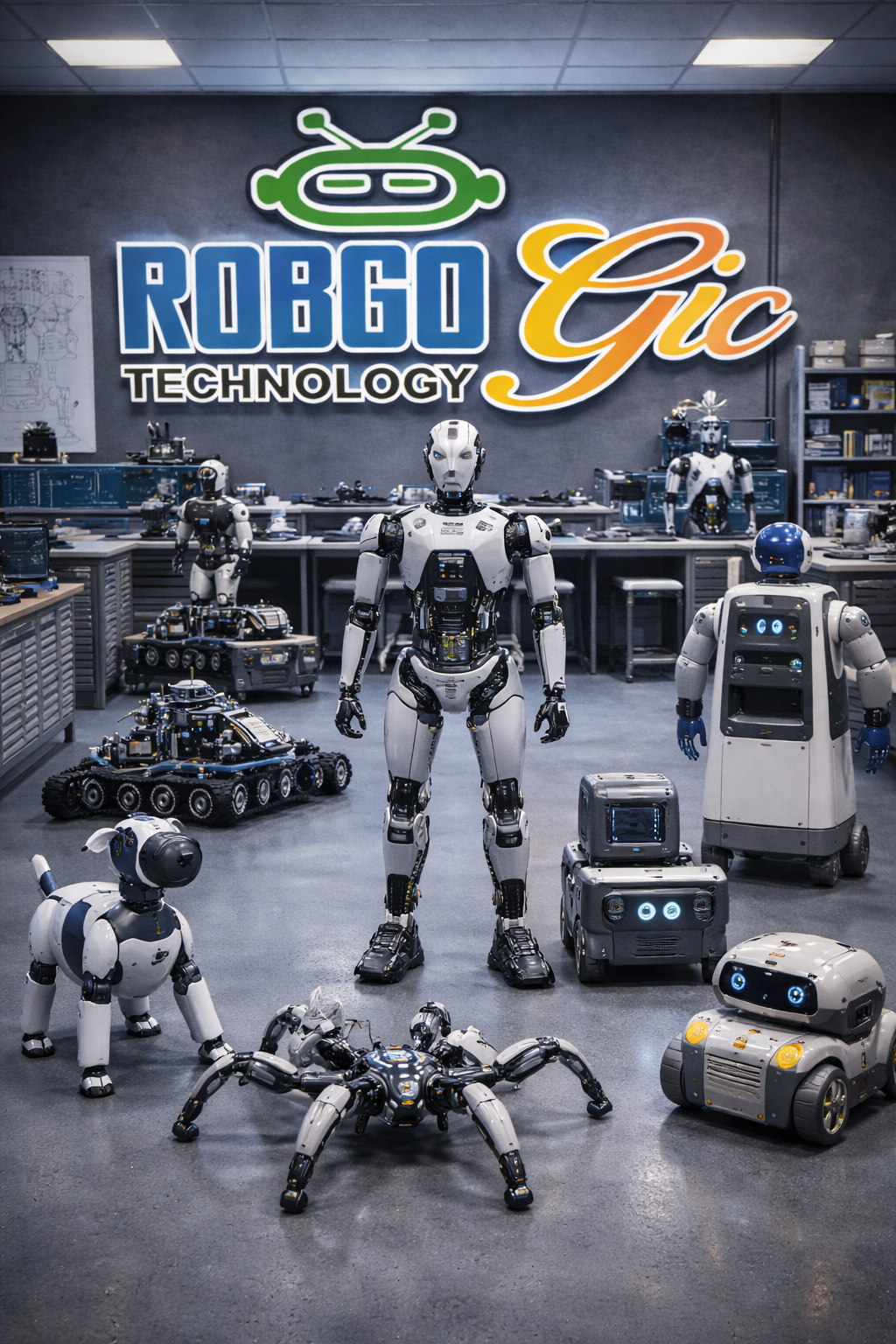
A well-designed robotics and AI lab enables experiential learning. With the right tools, equipment, and structured curriculum, students gain practical exposure that strengthens their understanding.
Implementation in Institutions
Schools and colleges can start with basic kits and gradually scale to advanced systems. Integrating robotics into existing subjects makes adoption smoother and more effective.
Conclusion
Investing in robotics and AI education is no longer optional. It is a necessary step toward preparing students for future careers and innovation-driven industries.
Call to Action
Explore how your institution can implement a robotics and AI lab to empower students with next-generation skills.